Head and Neck Cancer Care
- Provides guidance on creating sterile dressing materials using readily available household items.
- Stresses the importance of sterilizing materials to prevent contamination.
- Offers cost-effective solutions for caregivers in resource-limited settings.
- Demonstrates gentle techniques for removing old dressings to minimize patient discomfort.
- Shows step-by-step cleaning of cancer wounds with appropriate antiseptics.
- Illustrates proper application of new dressings and safe disposal of used materials
- Emphasizes the importance of hand hygiene and using gloves to prevent infections.
- Demonstrates setting up a clean workspace with all necessary materials within reach.
- Highlights the need for a calm environment to ensure patient comfort during wound care.
- Introduces simple mouth-opening exercises to maintain oral flexibility.
- Recommends regular practice to prevent trismus (restricted mouth opening).
- Highlights the role of these exercises in improving speech and eating functions.
- Recommends regular practice to prevent trismus (restricted mouth opening).
- Highlights the role of these exercises in improving speech and eating functions.
- Explains the process of administering feed through a nasogastric tube safely.
- Emphasizes checking tube placement before each feeding to prevent complications.
- Provides tips on maintaining hygiene and preventing tube blockages.
- Demonstrates gentle massage techniques to reduce swelling in affected areas.
- Introduces specific exercises to promote lymphatic drainage and improve mobility.
- Advises on the frequency and duration of massages and exercises for optimal results.
Credits: The HNCA/AHNS International Outreach Cancer Prevention Award received by Dr Nandini Vallath for the project: Impact cancer burden: Health communication intervention at community level, and demonstrators involved in the video creation.
⚠️ Medical Disclaimer
The training demonstration videos provided on Paricharya.care are intended solely for educational and informational purposes. They are not a substitute for professional medical advice, diagnosis, or treatment.
These demonstrations are based on general scenarios and may not be applicable to every individual case. Caregiving approaches should be personalized, considering each patient’s unique condition and needs.
Important Notes:
- Do not use these videos as a basis for self-diagnosis or treatment.
- Always consult with qualified healthcare professionals before implementing any techniques or practices showcased.
- Paricharya.care and its contributors are not liable for any outcomes resulting from the application of information presented in these videos.
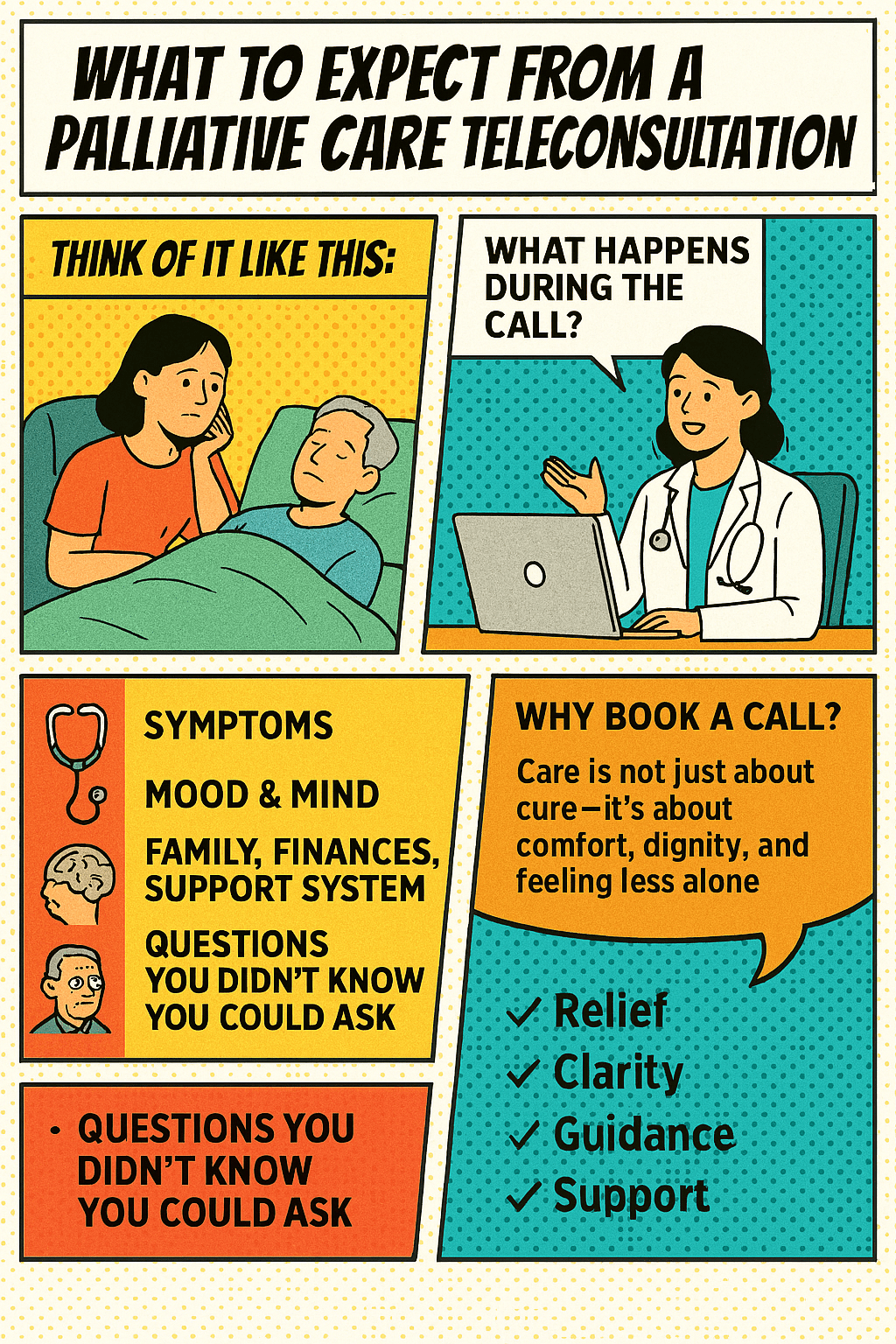
For personalized guidance, please consult your treating physician or consider booking a teleconsultation through our platform.

Leave a comment