
Understanding Palliative Care: Compassionate Medicine for Quality Living
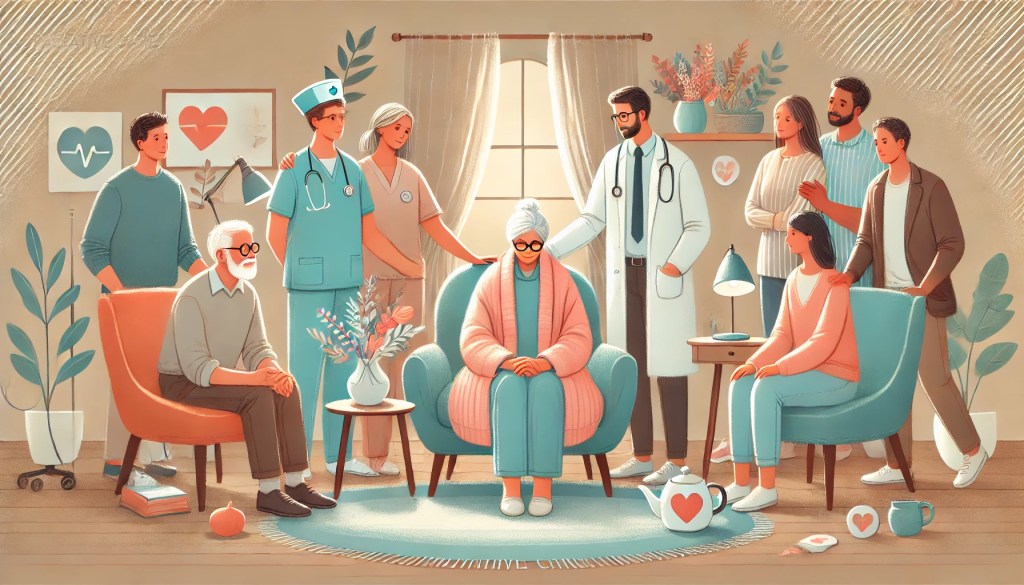
As a Nuclear Medicine and Palliative Medicine Specialist,’ I’ve often encountered puzzled faces when introducing myself and my work in palliative care. “Isn’t it just about terminally ill patients?” someone once asked me hesitantly at a family gathering. My answer was simple yet revealing: “It’s not just about dying; it’s fundamentally about living.”
What is Palliative Care?
According to the World Health Organization (WHO), palliative care is:
“An approach that improves the quality of life of patients and their families facing problems associated with life-threatening illness, through the prevention and relief of suffering by early identification and impeccable assessment and treatment of pain and other physical, psychosocial, and spiritual issues.”
Simply put, palliative care:
- Enhances comfort and quality of life.
- Provides holistic support—physical, emotional, social, and spiritual.
- Addresses complex symptoms like pain, nausea, fatigue, and emotional distress.
Why Do We Need Palliative Care?
During my internship, my experiences with the physicians involved in my mother’s diagnosis and care left me feeling anxious, confused, and overwhelmed by unanswered questions. Throughout her illness, we—my father, myself (a doctor but primarily her daughter), paid caregivers, and other family members—navigated numerous challenges without proper guidance. Often, we didn’t even know what questions to ask, let alone where to find answers.
The more her condition progressed, the clearer it became to me that the comprehensive support provided under the umbrella of palliative care was crucial. Back then, I hadn’t even heard of Palliative Medicine. My mother’s journey made me realize that countless people face similar struggles, desperately needing this holistic approach. This realization profoundly shaped my understanding of palliative care—not just medically, but humanly.
Palliative care is essential because:
- Modern medicine often focuses heavily on curative treatments, sometimes neglecting holistic patient comfort.
- Many illnesses cannot be completely cured, making quality-of-life management critical.
- Families and caregivers also need support, as chronic illness affects the entire family unit.
Who Benefits from Palliative Care?
Contrary to common belief, palliative care isn’t only for cancer patients or those in their final stages of life. It benefits anyone living with serious illnesses like:
- Cancer
- Heart failure
- Chronic lung diseases (like COPD)
- Kidney failure
- Neurological disorders (Parkinson’s, Alzheimer’s and many other)
- HIV/AIDS
I once met a 30-year old patient who had young-onset Parkinson’s disease. He faced significant limitations in his daily activities and initially hesitated to meet with the palliative care team, believing that palliative care wasn’t relevant for someone like him. To his surprise, after starting sessions with the team, he quickly learned how beneficial palliative care could be in managing his symptoms and improving his overall quality of life and relationship with his family members.
I also interacted with a young man, just 19 years old, who had severe pain due to skeletal metastasis. Initially, he was hesitant about receiving palliative care, thinking it was irrelevant for someone so young. The palliative team struggled at first to convince him of the value of their support. Gradually, he experienced significant pain relief and emotional comfort through his sessions. Although he eventually passed away, he did so peacefully, free from pain and surrounded by acceptance and support. His family, deeply moved and grateful, hosted a special feast at the institute, serving his favorite dishes to staff, patients, and caregivers as a heartfelt gesture of gratitude.
How is Palliative Care Delivered?
Palliative care is interdisciplinary, involving doctors, nurses, psychologists, social workers, nutritionists, and spiritual counselors. The approach includes:
- Pain and symptom management: Advanced techniques and medications tailored specifically to patient needs.
- Psychosocial and spiritual support: Counseling to navigate complex emotional and spiritual concerns.
- Caregiver training: Educating family members to provide effective support and manage stress.
Where and When Should One Seek Palliative Care?
Ideally, palliative care should begin at the diagnosis of a serious illness and continue through all stages, alongside curative treatments. It can be provided in:
- Hospitals
- Dedicated palliative care centers
- Home settings (home-based palliative care)
- Long-term care facilities
I’ve witnessed firsthand the immense relief and comfort that palliative care teams provide to numerous families right in their homes, emphasizing that timely and appropriate care, delivered in the right place, holds tremendous value for patients and their families.
Addressing the Gaps in Understanding
Despite its obvious benefits, awareness about palliative care remains critically low. I’ve frequently encountered misconceptions, even within healthcare circles. Once, during a medical seminar, a young doctor asked hesitantly, “Doesn’t talking about palliative care scare the patient?” My reply was straightforward: “It’s not the conversation that scares them; it’s the uncertainty, the unmanaged symptoms, and isolation that does.”
Common myths include:
- “Palliative care hastens death.” (It doesn’t; it enhances life.)
- “It means giving up.” (On the contrary, it means focusing on what matters most.)
- “It’s only for the elderly or terminally ill.” (Any patient facing serious illness can benefit.)
The result of these myths is immense unmet needs and avoidable suffering.
Raising Awareness: Our Collective Responsibility
The gaps in understanding demand our attention. It’s essential for healthcare providers, caregivers, and patients alike to be informed about what palliative care truly offers. Advocacy, education, and clear communication are key.
Simple ways to raise awareness include:
- Encouraging open dialogue in families and healthcare settings.
- Including palliative care education in medical curricula.
- Conducting community outreach and workshops.
Key Takeaways:
- Palliative care is life-enhancing: It supports quality of life at any stage of a serious illness.
- It’s comprehensive: Addresses physical, psychological, spiritual, and social needs.
- Early intervention matters: Integrate palliative care early, not just at life’s end.
- Awareness is crucial: Educating patients, families, and healthcare professionals helps bridge knowledge gaps and transforms care outcomes.
Through my experiences, both personal and professional, I’ve come to understand deeply that palliative care is about affirming life, providing comfort, and preserving dignity. It’s medicine practiced with compassion, respect, and sensitivity, making profound impacts on patients and families alike.
Let’s commit to raising awareness, embracing palliative care, and ensuring that every life receives the comfort and dignity it deserves.

Leave a comment